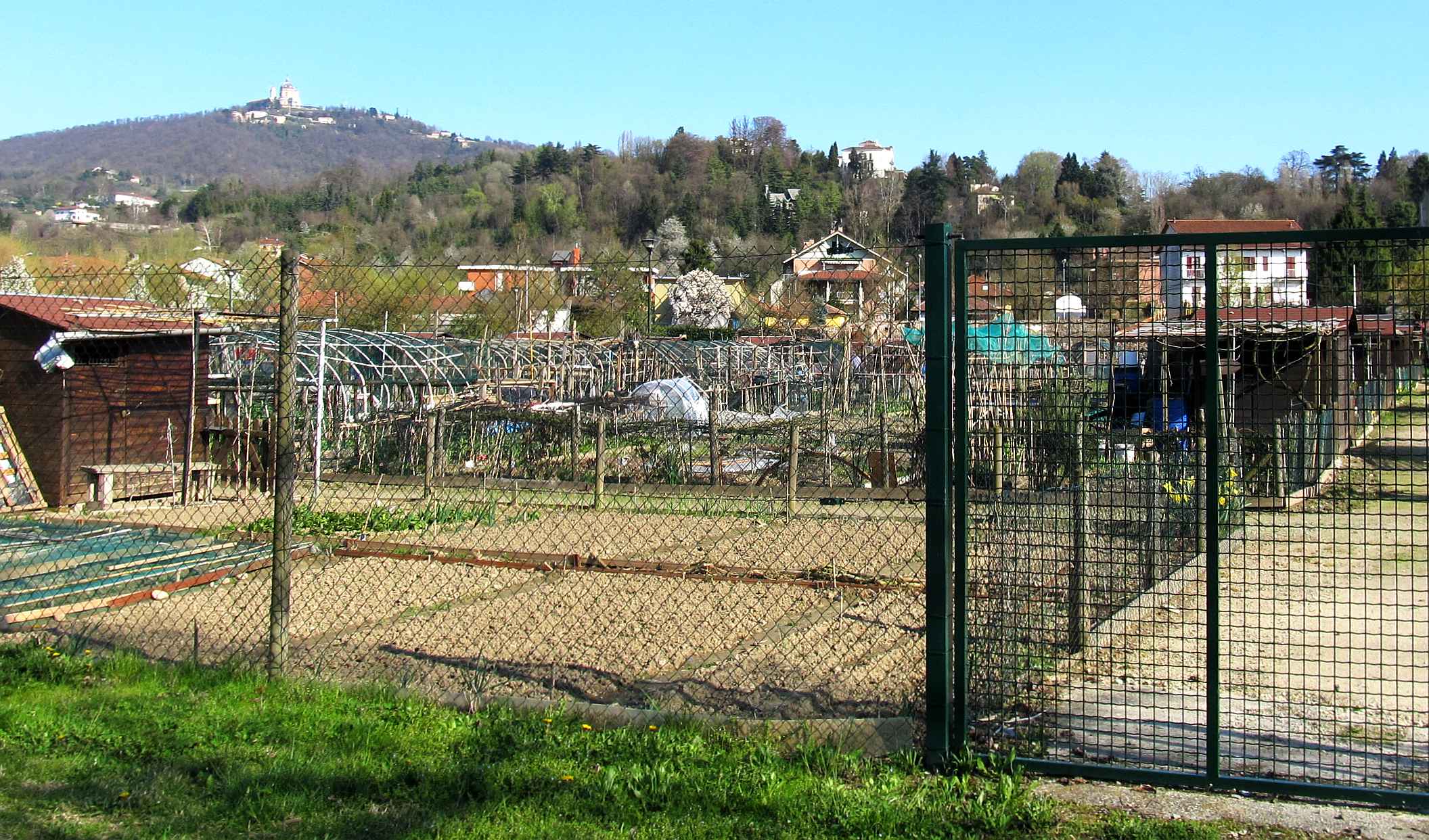
Orti Urbani: How Italian Neighborhoods Document and Manage Urban Growing Spaces
A reference archive on municipal garden programs, land allocation frameworks, composting infrastructure, and measured biodiversity changes in Italian cities. From Bologna's 1980 municipal plots to Turin's 170-garden Mirafiori network, these records trace how neighborhoods negotiate public land, water, and waste for collective cultivation.
Recent Articles
Detailed documentation from municipal programs, academic field studies, and regulatory archives.


Bologna's Municipal Garden Model Since 1980
When Mayor Renato Zangheri launched Bologna's first municipal orto urbano program in 1980, the city allocated roughly 50 sq m plots across peripheral neighborhoods, prioritising families with low incomes and no private cultivable land. Four decades later the model has become a reference point for other Italian municipalities drafting their own regulations, with Bologna's approach cited in the regulatory frameworks of Prato, Lissone, and Almese, among others.
Key Dimensions of Urban Garden Programs

Land Allocation Frameworks
Italian municipalities assign plots of 50–70 sq m for three-year terms, renewable once. Applications are ranked by ISEE income bracket and household size. One plot per household; commercial use is prohibited.

Composting and Waste Cycles
Community composting stations convert organic kitchen and garden waste into fertiliser on-site. Milan's L'Innesto model recovers material from residents and local food vendors, closing a nutrient loop without external inputs.

Water-Sharing Protocols
Centralised drip-irrigation networks reduce per-plot consumption compared with individual hose connections. Water-sharing agreements in Bologna-area gardens are structured around collective metering and proportional billing per plot.
170Individual garden plots managed at Orti Generali, Turin (Mirafiori Sud)
3 haMunicipal land concession for Orti Generali, granted 2018
100+New plots allocated at Cascina Falchera, Turin, November 2024
6,000+Pollinator samples collected across six Italian cities in a 2023 biodiversity study
Turin's Orti Generali: From Miraorti to Social Enterprise
The Miraorti project, which started in Turin's Mirafiori Sud district in 2010, transitioned into the Orti Generali social enterprise in 2018 after the city granted a 3-hectare concession. Today the site manages 170 individual plots alongside collective and educational garden spaces. It received the National Landscape Award in 2023 and was Italy's entry for the Council of Europe Landscape Award. The model deliberately mixes standard plot allocations with dedicated pathways for people in employment reintegration processes.
About This Archive
DailyPatch compiles publicly available data from municipal regulations, academic publications, and institutional documentation on Italian urban garden programs. Content reflects records current as of the listed update date. No affiliation with any municipality or NGO.
Contact the Editorial Desk
For corrections, source submissions, or general enquiries about the archive.
More on Italian Urban Horticulture
The archive covers plot allocation regulatory models, composting network design, water-sharing agreements, and measured biodiversity changes across Italian neighborhood gardens.
Browse All Articles